For decades, the mammogram has been the gold standard for checking breast health, and it remains an essential part of preventive care. But a quiet shift has been happening across Houston and beyond: more women are choosing to add a breast ultrasound to their health routine, often without waiting for a doctor's referral. If you've …


For decades, the mammogram has been the gold standard for checking breast health, and it remains an essential part of preventive care. But a quiet shift has been happening across Houston and beyond: more women are choosing to add a breast ultrasound to their health routine, often without waiting for a doctor’s referral.
If you’ve ever wondered what a breast ultrasound actually involves, whether it’s safe, how it’s different from a mammogram, or whether you should consider booking one yourself, this guide will walk you through everything you need to know.
What Is a Breast Ultrasound?
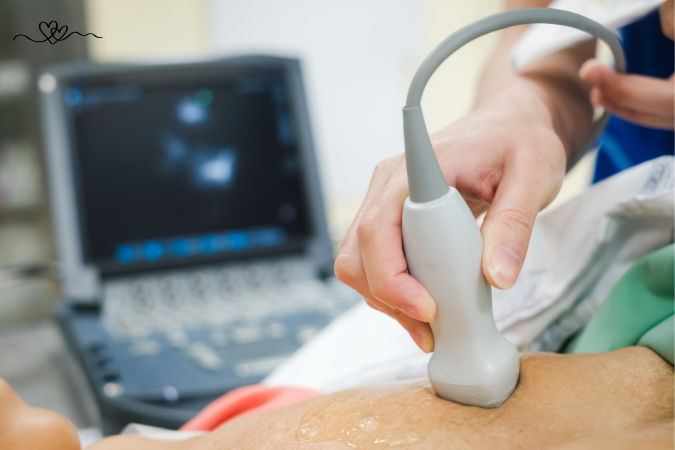
A breast ultrasound is a non-invasive imaging test that uses high-frequency sound waves to create real-time images of the tissue inside the breast. A handheld device called a transducer sends sound waves into the breast, and as those waves bounce back, they’re converted into detailed pictures displayed on a monitor.
Unlike X-ray-based imaging, a breast ultrasound uses no radiation at all. This makes it completely safe to repeat as often as medically necessary, and safe for women who are pregnant or breastfeeding.
It’s important to understand that a breast ultrasound is a diagnostic tool used to evaluate breast tissue, identify the nature of a lump or area of concern, and provide additional clarity when other findings need a closer look.
Breast Ultrasound vs. Mammogram: What’s the Difference?
One of the most common questions women ask is whether a breast ultrasound can replace a mammogram. The short answer is no, but the two tests work beautifully together, and each plays a different role.
A mammogram uses low-dose X-rays to capture images of the breast and is particularly effective at detecting microcalcifications, tiny calcium deposits that can sometimes be an early
indicator of changes in breast tissue. Mammograms are also the primary recommended screening tool for women starting around age 40, based on national screening guidelines.
A breast ultrasound, on the other hand, excels at determining whether a specific area is solid or fluid-filled, which is a critical distinction when evaluating a lump. It also performs significantly better than mammography in women with dense breast tissue.
This matters more than many people realize. According to breast density classifications used by radiologists, a large percentage of women, especially those under 50, have dense or extremely dense breast tissue. On a mammogram, dense tissue and abnormal tissue can both appear white, which can make certain findings harder to detect. An ultrasound can cut through that ambiguity and provide a clearer picture.
In short, mammograms are excellent for screening and detecting calcifications, while ultrasounds are excellent for characterizing lumps and improving visibility in dense tissue. Used together, they give a far more complete picture of breast health than either test alone.
What to Expect During Your Appointment

Knowing what happens during the appointment can ease a lot of the anxiety that comes with any new medical procedure.
When you arrive, you’ll be brought into a private exam room and asked to undress from the waist up. You’ll be given a gown for comfort and privacy, and then asked to lie back on the exam table.
A board-certified sonographer will apply a small amount of warm ultrasound gel to the area being examined. This gel helps the transducer glide smoothly across the skin and ensures clear sound wave transmission, without it, the images would be distorted.
The sonographer will then move the transducer in a systematic pattern across the breast and underarm area, capturing images from multiple angles. You may feel gentle pressure, but the procedure is not painful. Most appointments take between 20 and 45 minutes, depending on whether one or both breasts are being scanned and how many areas need to be evaluated.
Once the scan is complete, the images are reviewed by a board-certified radiologist, who prepares a written diagnostic report. Depending on how your appointment was arranged, this report can be sent directly to your physician or provided to you for your own records.
There’s no downtime. You can get dressed, go about your day, and return to normal activities immediately.
Why More Women Are Choosing to Book Without a Referral
Historically, a breast ultrasound was something a woman received only after a mammogram flagged an area of concern, or after a physician felt something unusual during a clinical exam. The path to imaging often went through a gatekeeper, and that meant waiting.
That model is changing.
Women today are taking a more active role in their own healthcare. Rather than waiting for a referral process that can take days or weeks, many are researching their options, learning about what different scans can show, and choosing to schedule imaging based on their own awareness of their bodies.
This shift has been made possible largely by self-pay imaging clinics, which have removed many of the traditional barriers to access. At a dedicated ultrasound facility, you can typically schedule an appointment within days, have your scan performed by a qualified, board-certified sonographer, and receive a radiologist-reviewed report, all without needing prior insurance authorization or a physician’s order in many cases.
For women managing busy schedules, dealing with high-deductible insurance plans, or simply wanting answers sooner rather than later, this kind of accessibility has real value.
Signs and Situations Where a Breast Ultrasound May Be Worth Considering
While every woman’s situation is different, there are several common reasons women choose to schedule a breast ultrasound:
A new lump or area of thickening in the breast or underarm that wasn’t there before. Changes in the skin texture, color, or appearance of the breast. Unusual nipple discharge, especially if it’s spontaneous or occurs in only one breast. Persistent pain or tenderness localized to one specific area. A known history of dense breast tissue, which can limit mammogram clarity. A strong family history of breast cancer, particularly in first-degree relatives. A mammogram result noted an area requiring further evaluation.
You don’t need to check every box on this list. Even a single concern, or simply a desire for added peace of mind, is a perfectly valid reason to pursue imaging.
The Value of Getting Answers Sooner
One of the most frustrating aspects of navigating the healthcare system is the waiting. Waiting for a referral. Waiting for an appointment opening. Waiting for results to come back.
A self-pay breast ultrasound at a dedicated imaging clinic helps shorten that timeline considerably. You can take the initiative, schedule your appointment, complete your scan, and walk away with a radiologist’s report, often within the same week you first noticed a concern.
That speed isn’t just convenient. It’s reassuring. Whether the results show that everything looks normal or whether they identify something that needs a closer look, having clear information sooner allows you to make informed decisions about your health without unnecessary delay.
Taking Charge of Your Breast Health
Your breast health is too important to leave on someone else’s timeline. While mammograms remain a cornerstone of preventive screening, a breast ultrasound offers a valuable, radiation-free way to gain additional clarity, particularly for women with dense breast tissue or specific areas of concern.
If something has felt different, or if you simply want a clearer picture of what’s going on, you don’t have to wait for permission to find out. Booking a breast ultrasound at an accredited, self-pay imaging clinic is a straightforward, accessible step you can take for yourself, on your own schedule.
Your health deserves that kind of attention, and it starts with a single appointment.